
During the climb
Camps, food, water, and private vs group climbs
Tent life, hygiene, how crews keep water safe, meal rhythms at altitude, and how private departures differ from open groups.
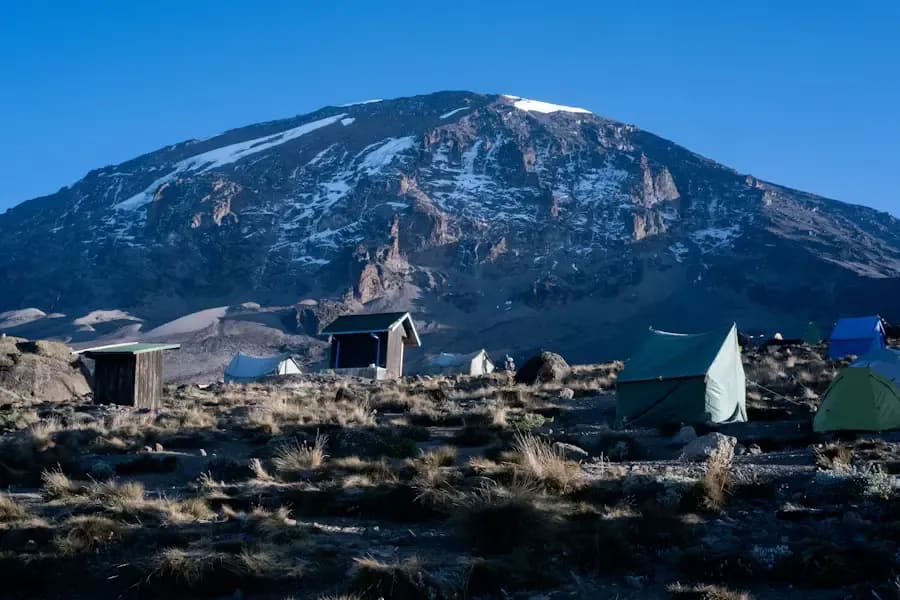
Camps, food, water, and private vs group climbs
Facilities On Kilimanjaro
As you prepare to climb Africa’s tallest peak, it's natural to wonder about the Facilities on Kilimanjaro. Specifically, you might be curious to know how you'll manage daily necessities like showering and handling nature's calls at such great heights.
Understanding these details is important as it will give a clear picture of what you are about to face in the chilly mountains. Here we aim to get you all your answers to the facilities available on Mount Kilimanjaro Climbing expeditions. We want our climbers to be well-informed and ready to face the challenges ahead, absolutely unbothered!
See how Kilimanjaro’s facilities provide essential support to help you reach the summit.
Toilet Facilities on Kilimanjaro

Each Kilimanjaro Campsite is equipped with public toilets, which are more basic than what many might be accustomed to.
These facilities, typically known as "long drop" toilets, consist of a deep pit over which a concrete platform is placed for climbers to squat.
It's vital to set your expectations correctly as these facilities can vary in cleanliness throughout the day due to heavy use.
Public Toilet Features | |
Feature | Description |
Structure | Large outhouse-like with a deep hole |
Toilet Type | "Long drop" squatting platform |
Privacy | Partial, with walk-around walls or sometimes a skewed door |
Door Security | Often, faulty locks are due to temperature effects |
Despite the rudimentary conditions, the Kilimanjaro National Park staff strives to maintain these facilities. However, as the number of climbers increases, keeping these toilets clean becomes more challenging. It is a part of the mountain experience and something every climber learns to handle.
Maintaining Personal Hygiene on Kilimanjaro
Know that there are no shower Facilities on Kilimanjaro. All water is precious and primarily used for drinking. To help climbers stay clean, a small amount of boiled water is provided at campsites for washing hands and face. Here’s how you can maintain hygiene during your Kilimanjaro Climb:
- Wet wipes - An essential for climbers to clean themselves.
- Biodegradable soap - Environmentally friendly and easy to carry.
- Quick-dry towel - Takes up little space and dries fast.
- Disinfectant gel - For sanitising hands before meals.
- Dry shampoo - Helps keep your hair clean without water.
Getting these items checked on your Kilimanjaro Packing List will not only help you feel cleaner but also ensure you are respecting the environment by using products that won’t harm the ecosystem.
Private Toilet Tents: An Alternative on Kilimanjaro

For those who prefer a bit more privacy and convenience, many of our Kilimanjaro Climbing Packages offer the option of private toilet tents. These are especially common on non-budget climbs and provide a level of comfort similar to that of regular toilets. The Private Toilet Tent on Kilimanjaro features:
- Privacy: Only your group will have access to these facilities.
- Home-like Experience: Features a seat and a flushing mechanism.
- Maintenance: Dedicated staff clean and move these facilities as you progress up the mountain.
Choosing a private toilet tent can significantly enhance your comfort on the mountain, making it easier to focus on the climb and the beautiful surroundings.
Dealing with Nature's Call Between Campsites:
When trekking from one campsite to another, you might need to relieve yourself. It's important to do this responsibly to keep Kilimanjaro’s environment pristine. Some steps for responsible waste management include:
- Carry a portable bag for your wipes and other disposable items.
- Dispose of all waste properly at the next campsite.
- Select a secluded spot at least 30 meters away from any water source or trail.
- Cover your waste. If you don’t have a hand trowel, use rocks and soil to cover it effectively.
Following these simple steps on Climbing Kilimanjaro Tours will help protect the mountain's delicate ecosystem and ensure it remains beautiful and clean for future climbers.
Be Well-Prepared for Your Kilimanjaro Climb
Understanding the Facilities on Kilimanjaro is vital in preparing for your climb. By knowing what to expect in terms of sanitation and hygiene, you can plan effectively and maintain comfort during your adventure.
Remember, the facilities might be basic, but they are part of the unique experience of climbing one of the world's most famous mountains.
Equip yourself with the right knowledge and gear by consulting with us on Kilimanjaro Climbing Tours. Let’s ensure your adventure is as fulfilling and memorable as possible.
Kilimanjaro Food on the Mountain – What You’ll Eat During Your Climb
When people think about Mount Kilimanjaro climbing, they often imagine surviving on basic dehydrated meals. With Ascend Tanzania, that’s not the case. Our Kilimanjaro food menu includes fresh, hearty, and energy-rich meals designed to keep you strong throughout your trek.
Nutritious Meals for Kilimanjaro Climbers
Climbing Kilimanjaro burns thousands of calories each day, so proper nutrition is essential. Our mountain chefs prepare three hot meals daily along with snacks, tea, coffee, and drinking water to help maintain your energy and support acclimatization.
Typical meals include:
- Toast, eggs, pancakes, sausages, and porridge for breakfast
- Soups, pasta, rice, potatoes, chicken, and vegetables for lunch and dinner
- Fresh fruits, popcorn, nuts, cookies, and hot drinks for snacks
Our meals are high in carbohydrates because carbs provide fast energy and are easier to digest at high altitude. Foods like rice, pasta, potatoes, and fresh vegetables are served daily to help fuel your climb.
Special Diets on Kilimanjaro
We cater to vegetarians and climbers with special dietary requirements. If you have allergies or specific meal preferences, simply inform us before your trek. Our team will do its best to prepare suitable meals during your Kilimanjaro climb.
Hydration on Kilimanjaro
Staying hydrated is one of the most important parts of a successful summit attempt. We provide purified drinking water sourced from mountain streams, and climbers are encouraged to drink 3–4 litres of water daily to reduce the risk of altitude sickness.
Tips for Eating at High Altitude
- Eat regularly, even when you don’t feel hungry
- Focus on high-carb meals for energy
- Drink plenty of water throughout the trek
- Bring your favourite energy snacks from home
- Avoid excessive alcohol and caffeine
Enjoy Every Meal on Your Kilimanjaro Adventure
Good nutrition plays a major role in reaching the summit successfully. With delicious meals, professional mountain cooks, and proper hydration, our Kilimanjaro climbing packages are designed to keep you healthy, energised, and ready for the journey to Uhuru Peak.
Kilimanjaro Food and Water Guide for Climbers
Proper Kilimanjaro food and water preparation is one of the most important parts of a successful Mount Kilimanjaro climb. At high altitude, your body needs extra energy, hydration, and balanced nutrition to help you stay strong throughout the trek.
Kilimanjaro Food During the Climb
Our Kilimanjaro food menu is designed to provide climbers with energy-rich meals that support acclimatization and recovery on the mountain.
Breakfast on Kilimanjaro
Each morning starts with a hot breakfast including porridge, eggs, sausages, toast, tea, coffee, or hot chocolate. These meals help climbers stay warm and energised before beginning the day’s trek.
Lunch on Kilimanjaro
Lunch usually includes sandwiches, boiled eggs, chicken, fruits, and snacks that are easy to carry and eat during the climb.
Dinner on Kilimanjaro
Dinner is an important recovery meal featuring soup, grilled chicken or beef stew, rice, pasta, potatoes, and fresh fruits. These carbohydrate-rich meals help restore energy after long hiking days.
Snacks on Kilimanjaro
Energy snacks such as peanuts, popcorn, biscuits, and energy bars are provided throughout the trek to maintain stamina at high altitude.
Kilimanjaro Water and Hydration
Staying hydrated on Mount Kilimanjaro is essential for reducing fatigue and supporting acclimatization. We provide boiled, filtered, and purified drinking water to ensure safety during the climb.
Most climbers should drink 3–4 litres of water daily on Kilimanjaro. The combination of altitude, dry air, and physical activity can quickly lead to dehydration.
Recommended Water Intake on Kilimanjaro
- Morning: 1 litre before starting the hike
- During the climb: 2–3 litres through regular sipping
- Evening: 1 litre for recovery and hydration overnight
- Extra water if using Diamox or altitude medication
Electrolytes and hydration enhancers are also recommended to replace lost minerals and improve water absorption.
Special Dietary Requirements on Kilimanjaro
We accommodate vegetarian, vegan, gluten-free, and high-protein dietary needs on all Kilimanjaro climbing tours. Our meals are carefully prepared using fresh ingredients while maintaining high food hygiene and safety standards.
Why Food and Water Matter on Kilimanjaro
Good nutrition and proper hydration help climbers maintain energy, reduce the risk of altitude sickness, and improve overall summit success rates. With well-prepared meals and safe drinking water, you can focus fully on enjoying your Mount Kilimanjaro adventure.
Plan your Kilimanjaro climbing tour with confidence and enjoy nutritious mountain meals, purified water, and expert support throughout your trek.
Difference Between Group Joining and Private Kilimanjaro Trek
Choosing between a group joining climb and a private Kilimanjaro trek depends on your budget, travel style, and climbing preferences. Both options offer a complete Mount Kilimanjaro climbing experience, but they differ in flexibility, cost, and personalisation.
Joining a group trek to
Joining a group trek to Kilimanjaro allows climbers to join other travellers on a fixed departure date. This option is ideal for solo travellers, couples, or small groups looking for a more affordable way to climb Mount Kilimanjaro.
Benefits of Group Joining Climbs
- Lower climbing cost due to shared expenses
- Opportunity to meet climbers from around the world
- Fixed itineraries and scheduled departures
- Great for solo travellers seeking companionship
Group climbs follow a shared pace and itinerary, making them a budget-friendly and social option for climbing Kilimanjaro.
Private Kilimanjaro Trek
A private Kilimanjaro climb is organised exclusively for you, your family, friends, or your own group. This option offers more flexibility, comfort, and personalised service throughout the trek.
Benefits of Private Kilimanjaro Treks
- Flexible departure dates
- Personalised pace and itinerary
- Private guides, porters, and dining setup
- Better privacy and customised support
- Ideal for families, couples, and corporate groups
Private treks provide a more tailored Mount Kilimanjaro climbing experience with additional comfort and flexibility on the mountain.
Which Kilimanjaro Trek Option Is Best?
If you want a cost-effective and social adventure, a group for a Kilimanjaro climb is a great choice. If you prefer privacy, flexibility, and personalised attention, a private Kilimanjaro trek offers a more customised experience.
Both options include professional guides, mountain crews, meals, camping or hut accommodation, and full support for a safe and successful Kilimanjaro summit adventure.
Light sleeper? Quality earplugs — zippers are the unofficial bird of high camps.